
Australian Jersey Cattle Exports
Home » Jersey Cattle Exports
Jersey Cattle Suppliers
Are you looking to import Australian Jersey cows into your local market? Australia’s Livestock Exporters is a world leading dairy livestock exporter. We export to countries all over the world. To find out more about the Jersey cow breed and what makes them unique, read on.
Give yourself the competitive edge in your market: invest in multi-award winning Australian Jersey Cattle, become a leader in your local market and grow your business.
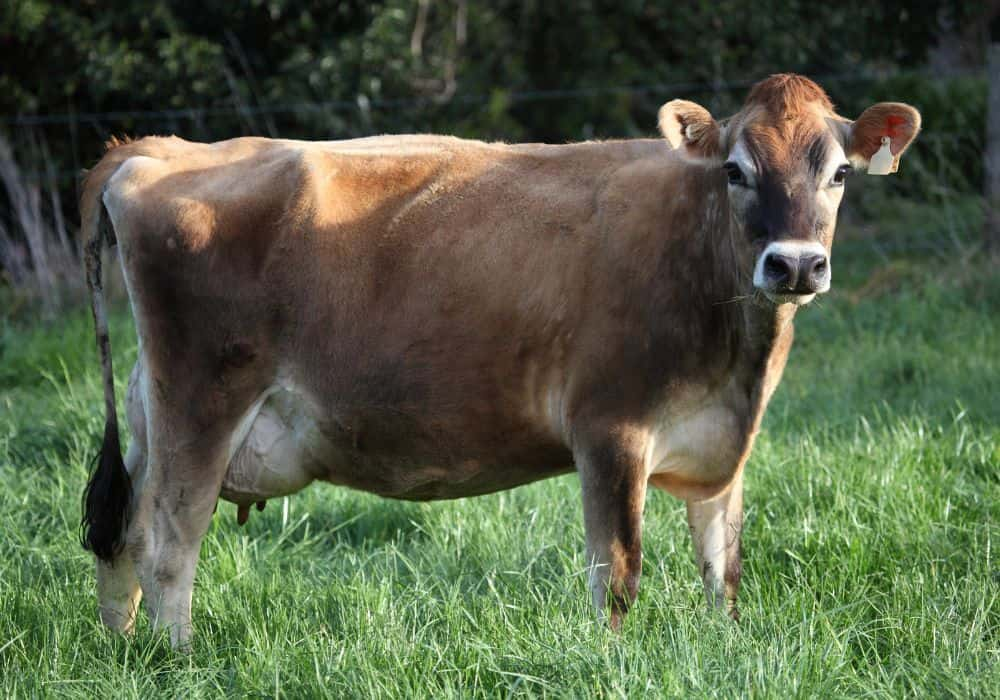
Production Facts
Jerseys Yield High Quantities of Milk
Once it’s time to calve, Jersey cows do so with ease. They very seldom experience any problems with obstructed birth (dystocia).
- Lactating cows produce vast quantities of milk for their size, up to 28 kilograms a day.
- Their lactation lasts around 305 days.
- It's also higher in protein than other common dairy breeds at 3.59%.
- Jersey milk has the highest fat content up to (6%) of any breed.
Jersey Milk Has a High Butterfat Content
This means that you get more cream per litre of Jersey milk. More cream means more butter, more cheese and more ice cream. In addition, most Jersey cows produce the type of A2 milk favoured by lactose-intolerant people.
Thanks to these qualities, you can charge more for Jersey cow milk.
Australia’s Livestock Exporters can help you import the Australian Jersey Cow into your local market.
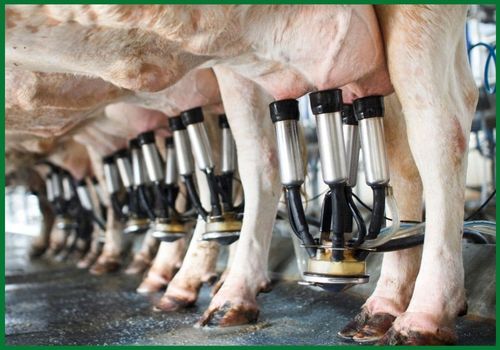
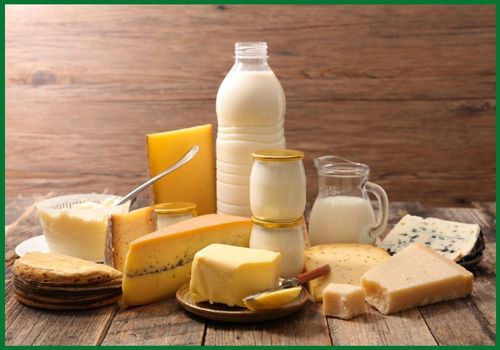
Australian Jersey Cattle Exports
The earliest reference to Jersey cattle in Australian history concerns the sale of 200 cows in Sydney during 1829.
After that, Australian farmers were quick to take advantage of the many benefits of farming these animals in Australia’s hot, dry conditions.
The Australian Jersey Breed Society came into being over 120 years ago. This organisation strives to maintain all the best qualities of purebred Jerseys and protect the genetic quality of the breed in Australia.
Thanks to their efforts Australia is home to exceptionally well-bred and productive Jersey herds. That explains why Australia’s Livestock Exporters are one of the leading exporters of Jersey cows worldwide.
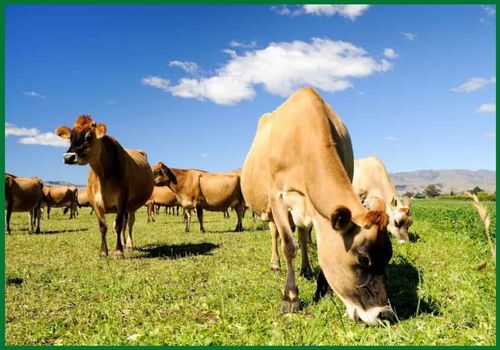
Jersey Cattle Characteristics
Characteristics
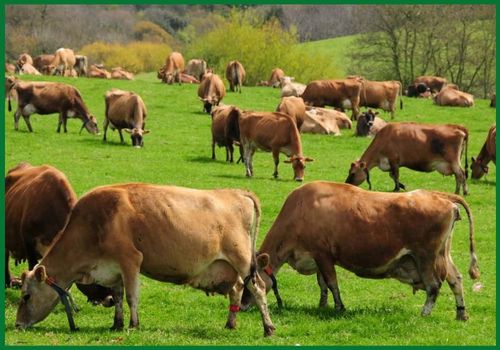
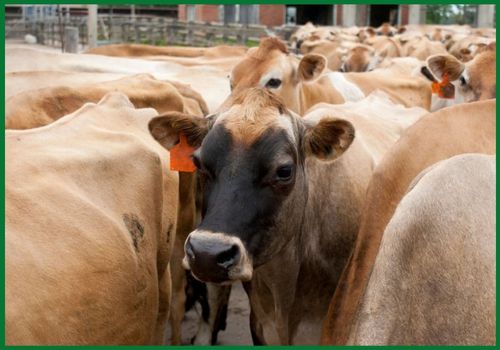
Jersey cattle are arguably one of the most attractive breeds of cow there is. They have large eyes, a pale caramel coat, black noses and black markings on their muzzle, ears, and feet.
That’s not what makes them the second most popular breed on Earth though. They are also very productive dairy cattle and will add enormous value to your farm or food production business.
Jersey Cows are Great Keepers
In an industry where economizing is everything, Jersey cows represent great value for money.
They’re small in stature, maxing out at just 550kg each. This means they need a lot less food than large heavy animals like Holstein cattle. Jerseys also convert feed to energy more efficiently than large breeds.
They’re also more heat tolerant than the larger breeds, which means they spend more time grazing and less time lying in the shade.
Their hard black hooves and low weight mean that lameness is a less common occurrence in this breed.
They’re Gentle Creatures
Apart from being easy on the eye and the wallet, Jersey cows are exceptionally calm and gentle. They thrive no matter how you raise them, whether it be on a feedlot or out in the open fields.
Unfortunately, Jersey bulls don’t share the same placid characteristics. They’re usually more aggressive than most domestic bulls. Thankfully, the advent of artificial insemination means you don’t need a bull to ensure that your cows keep producing calves.
Jersey cows are good mothers, making them ideal for organic farming concerns where calves remain with their mothers.
Exports to China
US Jersey Cattle Exports to China
Many Chinese food production companies and dairy farmers look to import US Jersey cattle into their local market. What they may not be aware of is that Australian Jersey cattle are comparable and in some cases, a preferable choice.
There are advantages in importing Australian Jersey dairy cattle into China.
- Australia is closer to China then the US, meaning the distance travelled by the livestock is less, thus helping to minimise transport stress
- If China is to achieve the aggressive targets of its milk industry development plan, Australian genetics also need to be imported
- There is a real demand to know the strengths of the Australian cow and get access to Australia’s world leading genomic dairy traits
- Australia has a progressive and advanced dairy breeding industry, based on a cooperative model established more than 60 years ago
- While US farmers have done well promoting the US Holstein Total Performance, the Australian industry is progressing with the Australian Balanced Performance Index, which is tailored to include many desirable traits of interest to Chinese farmers (source: Stock Journal)
Why Choose Us?
Why Should You Choose Us as Your Jersey Cattle Heifer Exporter?
You’ll benefit from our extensive, nation-wide supply network and direct ‘farm to export’ model. We are your fully integrated livestock export company.
We’ve been involved with the Jersey export trade for numerous years and have both the skills and knowledge to supply world class dairy heifers to your local market. Highly experienced in the buying and selling of cattle across the dairy industry, we are confident that we can help you.
Import Australian Jersey cattle into your local market today.
or call us on: +612 8313 7009
Commonly Asked Questions – Australian Jersey Cattle Exports
What are Jersey cattle best known for?
Jersey cattle are best known for producing high-butterfat, high-protein milk with excellent feed efficiency. Compared to larger dairy breeds, Jerseys convert less feed into more milk solids, making them highly profitable for butter, cheese and premium dairy production.
Why import Australian Jersey cattle?
Australian Jersey cattle are sought after because they combine elite genetics, strong health status, and adaptability to hot and dry climates. Australia’s strict biosecurity standards and long-established Jersey breeding programs make Australian Jerseys a reliable choice for developing and expanding dairy industries.
What are the main characteristics of Jersey cattle?
Jersey cattle are characterised by:
- High milk solids (butterfat up to ~6%) and high protein
- Calm temperament and easy handling
- Excellent fertility and calving ease
- Strong heat tolerance and grazing efficiency
These traits make Jerseys ideal for both intensive and pasture-based dairy systems.
How much milk does a Jersey cow produce?
A well-managed Jersey cow typically produces 20–28 litres of milk per day, with a standard lactation length of around 305 days. While total volume is lower than Holsteins, Jerseys deliver significantly higher milk solids per litre, increasing processing value.
Is Jersey milk better for butter and cheese production?
Yes. Jersey milk contains higher butterfat and protein levels than most dairy breeds, making it particularly well suited to:
- Butter production
- Cheese and yoghurt manufacturing
- Premium cream and specialty dairy products
This allows processors to extract more value per litre of milk.
Do Jersey cows produce A2 milk?
Most Jersey cattle naturally carry the A2 beta-casein gene, and Australian Jersey herds have a high prevalence of A2/A2 genetics. Upon request, Australia’s Livestock Exporters can arrange A2 genetic testing for export Jersey cattle.
Are Jersey cattle suitable for hot climates?
Yes. Jersey cattle are highly regarded for their heat tolerance, especially compared to larger dairy breeds. Their smaller body size, efficient metabolism and grazing behaviour make them well suited to tropical, arid and humid regions, including Asia and the Middle East.
What types of Jersey cattle can be exported?
Australia’s Livestock Exporters can supply:
- Unjoined Jersey heifers
- Pregnancy-tested in-calf (PTIC) Jersey heifers
- AI-bred Jersey heifers
- A2-tested and pedigree Jersey cattle
Selection is tailored to your climate, production goals and import regulations.
What is the minimum order quantity for Jersey cattle exports?
Minimum order quantities depend on:
- Destination country
- Transport method (air or sea)
- Import protocol requirements
For most markets, airfreight exports typically start from around 40–100 head, while sea freight shipments generally require larger volumes. ALE will confirm exact numbers based on your destination.
How long does it take to export Jersey cattle from Australia?
The Jersey cattle export process generally takes 4–8 weeks, including:
- Sourcing and selection
- Veterinary testing and health certification
- Pre-export quarantine
- Transport by air or sea
Timelines vary depending on destination protocols.
What health checks are required before exporting Jersey cattle?
All exported Jersey cattle undergo:
- Full veterinary inspection
- Blood testing and disease screening
- Pregnancy testing (if applicable)
- Pre-export quarantine
All procedures comply with Australian Government export regulations and the importing country’s requirements.
Can Jersey cattle be exported with pedigree certificates?
Yes. Where required, Jersey cattle can be exported with official pedigree and breed society documentation, supporting genetic integrity and long-term herd development.
Which countries import Australian Jersey cattle?
Australian Jersey cattle are exported to Asia, the Middle East and emerging dairy markets worldwide, including China, Japan, Taiwan, Vietnam, Malaysia and Gulf countries, subject to import approvals and protocols.
Why choose Australia’s Livestock Exporters for Jersey cattle?
Australia’s Livestock Exporters offers:
- Nation-wide access to elite Jersey herds
- Direct farm-to-export sourcing (no middlemen)
- Government-approved export licensing
- Proven experience exporting dairy cattle globally
- End-to-end management: selection, testing, quarantine and shipping
This ensures consistent quality, transparency and animal welfare throughout the export process.
How do I enquire about importing Australian Jersey cattle?
To import Australian Jersey cattle, simply submit a Trade Enquiry or contact Australia’s Livestock Exporters directly. The team will confirm availability, pricing, health requirements and logistics tailored to your country.