
A2 Livestock Testing for Dairy Cattle & Export Programs
Home » Cattle Export Services » A2 Livestock Testing
A2 Genetic Testing for Dairy Livestock Exports
Australia’s Livestock Exporters provides A2 livestock testing and A2/A2 genetic testing for dairy cattle, supporting breeding programs, dairy production and livestock export requirements.
Our A2 cattle testing service helps importers, breeders and dairy operations identify livestock with A2/A2 beta-casein genetics, supporting A2 milk production and long-term breeding outcomes.
-
A2/A2
Genetic Testing -
Laboratory-
Verified Results -
Expert
Documentation -
Integrated
Export Services
What Is A2 Livestock Testing?
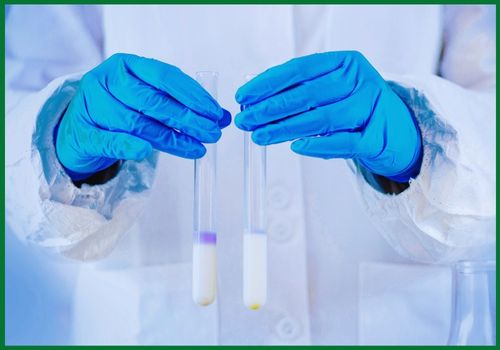
A2 livestock testing is a form of A2 genetic testing for dairy cattle that identifies the beta-casein (CSN2) gene to determine whether an animal carries A1 or A2 milk protein variants. Beta-casein is a major milk protein, and its genetic variants influence the type of milk an animal produces.
There are two main beta-casein groups:
- A1 variants (e.g. A1, B, C)
- A2 variants (e.g. A2, A3, H1, H2)
Livestock carrying the A2/A2 genotype produce milk containing only A2 beta-casein, which is increasingly sought after in certain international dairy markets.
Why A2 Genetics Matter for Livestock Export
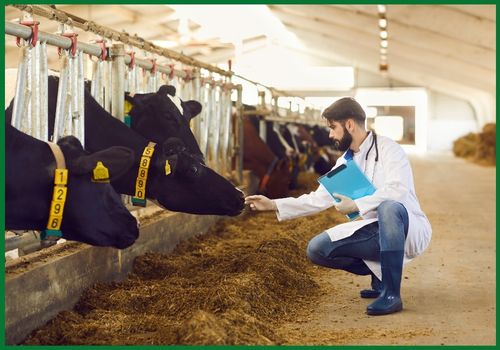
For many importing countries, A2 genetics and A2/A2 dairy cattle are now a commercial and marketing requirement, particularly for specialised dairy exports and branded milk programs.
A2 livestock testing allows buyers to:
- Select against A1 variants
- Build A2/A2 herds over time
- Increase predictability in breeding outcomes
- Support specialised dairy branding strategies
How A2 Livestock Testing Is Performed
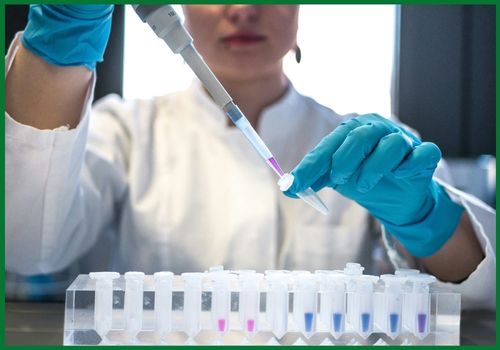
Australia’s Livestock Exporters coordinates A2 livestock testing using tissue or hair samples, with laboratory analysis confirming A2/A2, A1/A2 or A1/A1 genetic status.
The testing process includes:
- Sample collection (tissue or hair)
- Laboratory analysis of the CSN2 gene
- Identification of beta-casein variants
- Clear reporting of genotype results
Results identify whether an animal is: A1/A1, A1/A2, or A2/A2. Only A2/A2 animals consistently produce A2-only milk.
Livestock Eligible for A2 Testing
A2 testing for dairy cattle can be performed on a range of livestock breeds commonly used in breeding and export programs, including Holstein Friesian, Jersey and Guernsey cattle.
Testing can be arranged for:
- Individual animals
- Selection groups
- Entire export consignments
- Breeding programs and joining programs
Integrating A2 Testing Into Export Programs
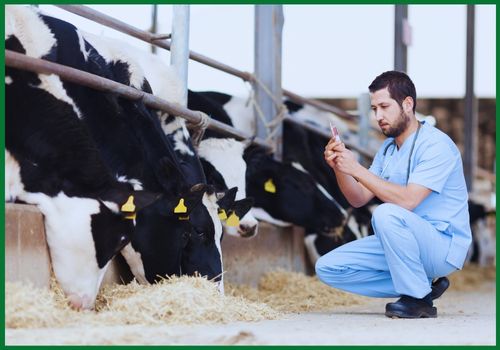
A2 livestock testing services can be incorporated into ALE’s end-to-end livestock export services, allowing buyers to confirm A2/A2 genetics prior to export, including:
- Pre-purchase selection
- Veterinary testing and quarantine
- Joining and breeding programs
- Export documentation and traceability
This ensures A2 results are aligned with importing country requirements, breeding objectives, and export timelines.

Frequently Asked Questions – A2 Livestock Testing
What is A2 livestock testing?
A2 livestock testing is a genetic test that identifies the beta-casein (CSN2) gene variant in dairy animals to determine whether they carry A1 or A2 milk protein variants. This testing confirms whether livestock are A2/A2, A1/A2, or A1/A1.
What does A2/A2 mean in dairy livestock?
A2/A2 means an animal carries two copies of the A2 beta-casein gene and produces milk containing only A2 beta-casein. A2/A2 animals are required for producing certified A2 milk and for building A2-only breeding herds.
Why is A2 livestock testing important for dairy exports?
A2 livestock testing is important for dairy exports because many importing markets require A2/A2 genetics for specialised milk products, branding and breeding programs. Testing provides genetic certainty, improves herd selection and supports long-term breeding outcomes.
How is A2 livestock testing performed?
A2 livestock testing is performed using tissue or hair samples collected from the animal and analysed by a laboratory to identify the CSN2 beta-casein gene variants. Results clearly state whether the animal is A2/A2, A1/A2 or A1/A1.
Which livestock can be tested for A2 genetics?
A2 testing can be performed on dairy cattle including Holstein Friesian, Jersey, Guernsey and other dairy breeds commonly used in export and breeding programs. Testing can be arranged for individual animals or entire export consignments.
Can A2 livestock testing be completed before export?
Yes. A2 livestock testing is typically completed before export so buyers can confirm genetics prior to shipment. Test results can be incorporated into livestock selection, breeding programs and export documentation.
Does A2 testing guarantee A2 milk production?
A2/A2 livestock consistently produce A2-only milk at the genetic level. However, milk yield and composition can still be influenced by nutrition, herd management and environmental conditions.
Can A2 testing be combined with genomic or genetic testing?
Yes. A2 livestock testing can be coordinated alongside other genetic or genomic tests to support breeding, performance selection and export requirements, depending on buyer needs.
Is A2 livestock testing required for all dairy exports?
No. A2 testing is not mandatory for all dairy exports, but it is increasingly requested by buyers targeting premium milk markets, specialised dairy branding or long-term genetic improvement programs.
How do buyers request A2 livestock testing?
Buyers can request A2 livestock testing during the livestock selection process. Exporters coordinate sample collection, testing, reporting and integration with veterinary and export requirements.
Request A2 Livestock Testing
If you are sourcing dairy livestock for A2 milk production or specialised breeding programs, Australia’s Livestock Exporters can coordinate A2 testing as part of your export order.