Record Wagyu Export to the Gulf Highlights Global Demand for Australian Genetics
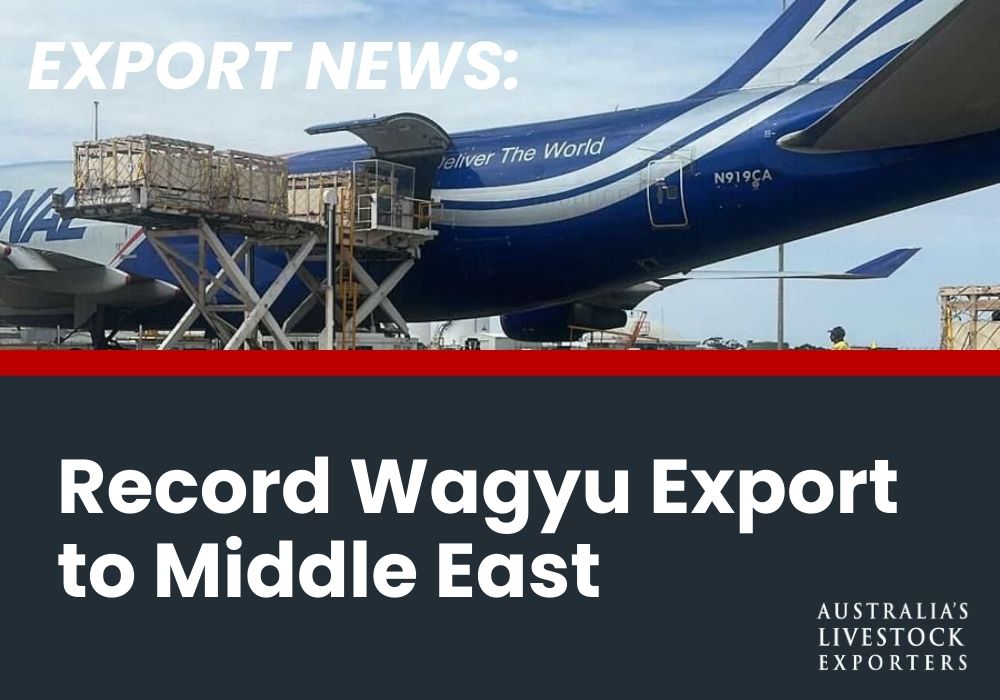
Melbourne Avalon Airport recently facilitated the export of 222 live Wagyu-grade cattle from Australia to the Gulf, marking the largest Wagyu livestock air export from Australia to date.
The shipment, coordinated with Australia’s Livestock Exporters (ALE), represents a significant milestone for the livestock export and aviation sectors. According to Melbourne Avalon Airport, the operation demonstrated the growing capability of specialised air freight logistics to support high-value livestock movements to international markets.
The cattle were transported using purpose-built livestock air freight crates and a dedicated cargo aircraft, ensuring the highest standards of handling, comfort and animal welfare throughout the journey.
Airport representatives noted that while livestock air freight movements have been relatively limited in recent years, shipments like this highlight renewed momentum in the sector and increasing global demand for premium Australian cattle.
For markets such as the broader Gulf region, importing quality Wagyu cattle is a strategic investment in developing premium beef production and improving domestic herd genetics.
Why Australian Wagyu Is in High Demand
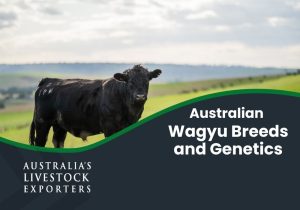
Australian Wagyu cattle are globally recognised for their exceptional marbling, tenderness, and flavour, producing some of the world’s most premium beef.
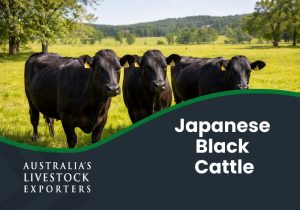
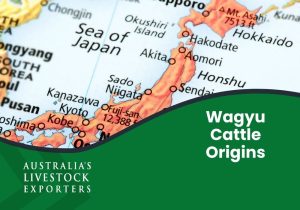
Australia has developed one of the largest Wagyu industries outside Japan by combining authentic Japanese Black bloodlines with advanced breeding programs and strict livestock management standards.
Key advantages of Australian Wagyu include:
- Superior marbling and eating quality
- Proven genetics and bloodlines
- Strong adaptability to hot climates
- Consistent performance in commercial beef production
These traits make Australian Wagyu particularly suitable for regions such as the Middle East.
Growing Wagyu Demand in the Middle East
Demand for Wagyu beef and genetics is rising rapidly across the Gulf region, driven by expanding hospitality sectors, premium dining markets, and increasing investment in food security.
Countries such as Qatar, the UAE, and Saudi Arabia are importing Wagyu breeding cattle to improve domestic beef production and herd genetics.
Australian Wagyu are well suited to these markets due to their climate adaptability, reliable genetics, and consistent beef quality.
Supporting Premium Beef Production
High-value Wagyu cattle are often transported via specialised livestock air freight, which reduces travel time and ensures high animal welfare standards during transport.
The successful shipment highlights the capability of Australia’s livestock export industry to deliver premium cattle efficiently to global markets.
As international demand for premium beef continues to grow, Australian Wagyu genetics remain a key driver of livestock trade and global beef production development.