Updated: March 2026
Australian Dairy Cattle Statistics, Breeds and Export Industry Overview
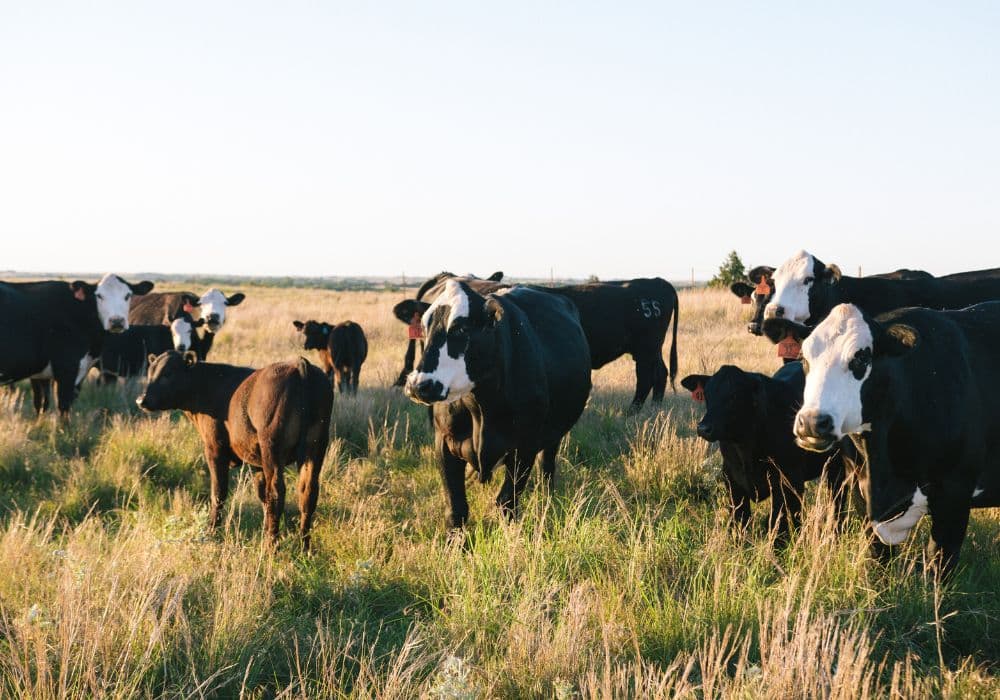
Australia is home to one of the world’s most efficient and export-oriented dairy industries. Australian dairy cattle are globally recognised for their strong genetics, high milk yields, and adaptability to diverse climates, making them highly sought after for dairy farm development in Asia, the Middle East and emerging dairy markets.
This guide provides updated statistics on Australian dairy cattle, including herd size, dominant breeds, milk production and the international cattle export market.
Australian Dairy Cattle Industry Snapshot
Key Statistics
| Metric | Latest Estimate |
|---|---|
| Total dairy cattle | ~2.2 million |
| Milking dairy cows | ~1.3 million |
| Dairy farms | ~3,700 |
| Annual milk production | ~8.3 billion litres |
| Average milk yield per cow | ~6,287 litres |
| Farmgate value | ~$6 billion |
Source: Australian Bureau of Statistics (ABS); Dairy Australia
According to the Australian Bureau of Statistics, Australia had approximately 2.2 million dairy cattle in 2024 across the country’s agricultural regions (ABS).
Industry data shows that around 1.3 million of these animals are milking dairy cows, responsible for producing the nation’s milk supply (Dairy Australia).
The dairy sector remains one of the most important agricultural industries in Australia. According to Dairy Australia, dairy generates approximately $5.9 billion in farmgate value annually and ranks as the third largest rural industry in Australia.
How Many Dairy Cows Are in Australia?
Australia currently has around 1.3 million dairy cows producing milk across the country’s dairy farms (Dairy Australia).
Although the number of farms has declined over recent decades, average herd sizes have increased as farms become more efficient and technologically advanced.
Today there are approximately 3,700 dairy farms operating in Australia, with an average herd size of around 345 cows (Dairy Australia).
Productivity improvements have also increased milk yields significantly. According to Dairy Australia industry data, the average dairy cow now produces approximately 6,287 litres of milk per year (Dairy Australia).
Where Are Australia’s Dairy Cattle Located?
Dairy cattle are raised in all Australian states, but the majority of milk production occurs in south-eastern Australia, where rainfall, pasture growth and climate conditions are favourable for dairy farming.
The industry is predominantly pasture-based in climates of adequate natural rainfall, however there are some inland areas developed around irrigation schemes.
Victoria is the centre of Australia’s dairy industry. According to Dairy Australia production data, the state produces more than 5.2 billion litres of milk annually, significantly more than any other region.
Australian Dairy Cattle Breeds
Australia’s dairy herd includes several specialised breeds developed for milk production, milk solids and adaptability.
Main Dairy Breeds
| Breed | Characteristics |
|---|---|
| هولشتاين فريزيان | High milk production |
| Jersey | High butterfat milk |
| Holstein–Jersey Cross | Balanced productivity |
| Brown Swiss | High milk solids |
| Australian Red | Heat tolerance |
| Illawarra | Hardy pasture breed |
Common Dairy Cattle Breeds in Australia (Dairy Australia)
Dominant Breeds
The dominant breed in Australia is the Holstein, accounting for more than 65% of all dairy cattle. You can read more about this breed of cattle here. Other important breeds include the Jersey, the Holstein/Jersey cross, Brown Swiss, Ayrshire and local breeds, the Australian Red and the Illawarra.
Milk Production in Australia
Australia produces around 8.3 billion litres of milk annually, significantly more than is consumed domestically. This surplus enables Australia to export around one-third of its milk production, supplying dairy products to more than 100 countries worldwide and supporting a strong and globally competitive dairy industry.
Most dairy farms operate pasture-based production systems, where cows graze grass and receive supplementary feed during periods of lower pasture availability.
In favourable seasonal conditions, pasture provides approximately 60–65% of the feed requirements for dairy cattle, supporting efficient milk production systems.
Australian Dairy Exports and International Trade
Australia is a significant exporter of dairy products and livestock genetics.
According to Dairy Australia trade data, approximately 30–36% of Australian milk production is exported to international markets.
Australian dairy products are exported to more than 100 countries worldwide, with the majority of exports destined for Asian markets.
Major Export Markets
Australia’s key dairy export destinations include:
- China
- اليابان
- إندونيسيا
- Singapore
- ماليزيا
These markets import a range of Australian dairy products including milk powder, cheese, butter and specialised dairy ingredients.
Our History in the Dairy Industry
Australian’s Livestock Exporters works closely with farmers in Australia’s dairy hub: Victoria. This gives us the enviable advantage of knowing the best dairy suppliers Australia has to offer and being able to pass this on to you. We also have intricate knowledge about the dairy industry more broadly, specifically across the areas of milk production, Ai, quality of cattle, stress management, vaccinations, and caring of livestock.
Our specialty is the supply of dairy cattle to would be dairy farms internationally.
Contact Australia’s Livestock Exporters
شركة Australia's Livestock Exporters can help you import Australian Dairy Cattle into your local market so you can breed up your stock levels, helping you to meet the ever-growing global demand for premium dairy livestock and products. Give yourself the competitive edge in your local market: invest in Australian Dairy Cattle.
Make a trade Enquiry below to find out if we can help you.
Links:
- Australian Bureau of Statistics (ABS)
- Dairy Australia – Australian Dairy Industry In Focus 2025
- Dairy Australia – Trade Factsheet Overview of Industry 2024
- Dairy Australia – Environmental Sustainability Factsheet 2024