
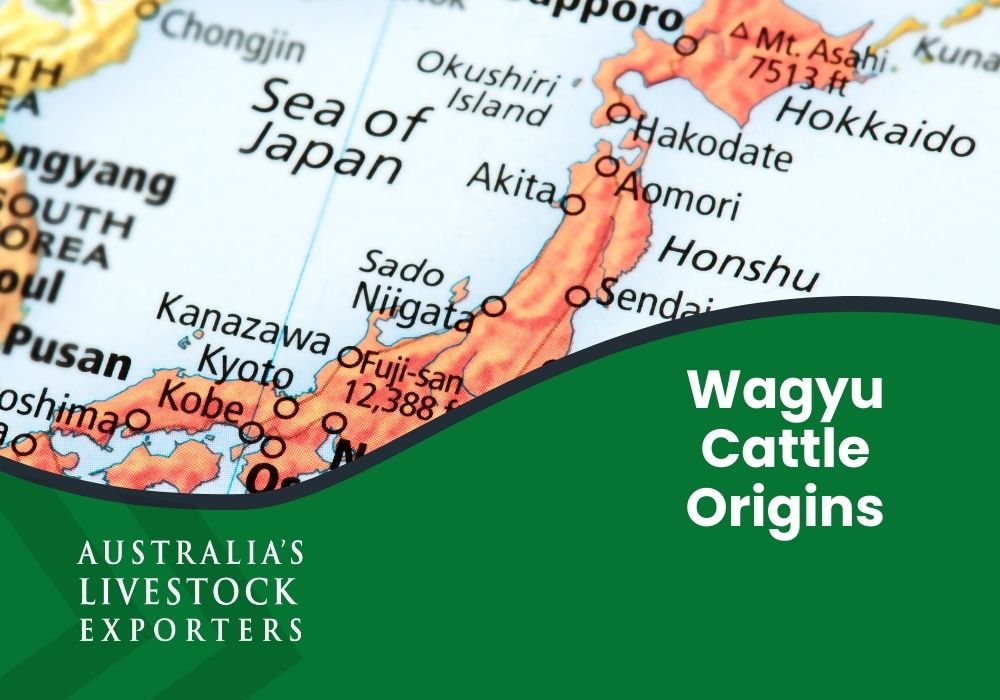
Where Do Wagyu Cattle Come From?
The origin of Wagyu cattle can be traced to Japan, where the breed developed over centuries through selective breeding and geographic isolation. The word Wagyu literally means “Japanese cow” (“Wa” meaning Japanese and “Gyu” meaning cattle).
Today Wagyu cattle are famous worldwide for their exceptional marbling and beef quality, but their origin lies in traditional Japanese farming where cattle were used as draft animals in agriculture.
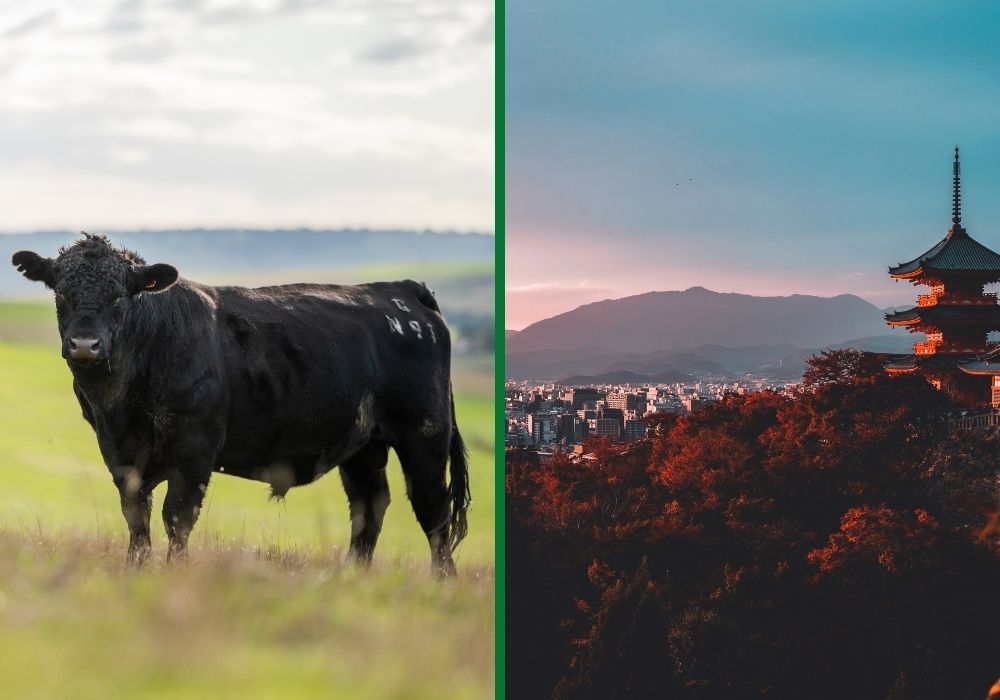
The History of Wagyu Cattle in Japan
The term Wagyu translates to ‘Japanese cattle’ (Wa = Japanese, gyu = cow). Unlike many modern cattle breeds, Wagyu developed in relative isolation for hundreds of years.
Origins in Japan
Historical and archaeological evidence suggests that domesticated cattle first arrived in Japan from mainland Asia during the Yayoi period, around the 2nd to 3rd century AD.
These animals were not Wagyu as we know them today.
Instead, they were early East Asian taurine cattle, genetically similar to ancient cattle populations found in Korea, Northern China, and coastal regions of Southeast Asia.
These early cattle belonged to the broader species Bos taurus, but they were not yet divided into structured breeds. Japan’s strict geographic isolation allowed these imported cattle to slowly diverge into region-specific cattle types, which many centuries later formed the foundation of the four recognised Wagyu breeds.
For most of Japan’s history, cattle were used primarily as draught animals in agriculture, not as meat animals. This long period of working use encouraged desirable traits such as:
- endurance
- docility
- ability to deposit
- intramuscular fat for sustained energy
By the late 19th and early 20th centuries, regional cattle populations began to stabilise into the four recognised Wagyu breeds.
The Four Main Japanese Wagyu Breeds
Japan officially recognises four Wagyu breeds:
- Japanese Black (Kuroge Washu) – over 90% of all Wagyu; foundation of global herds
- Japanese Brown (Akage Washu)
- Japanese Shorthorn (Nihon Tankaku Washu)
- Japanese Polled (Mukaku Washu)
Of these, Japanese Black is the dominant breed exported internationally, forming the entire basis of Australia’s fullblood Wagyu herd.
You can learn more about Wagyu bloodlines and genetics in our detailed guide.
How Wagyu Cattle Spread Beyond Japan
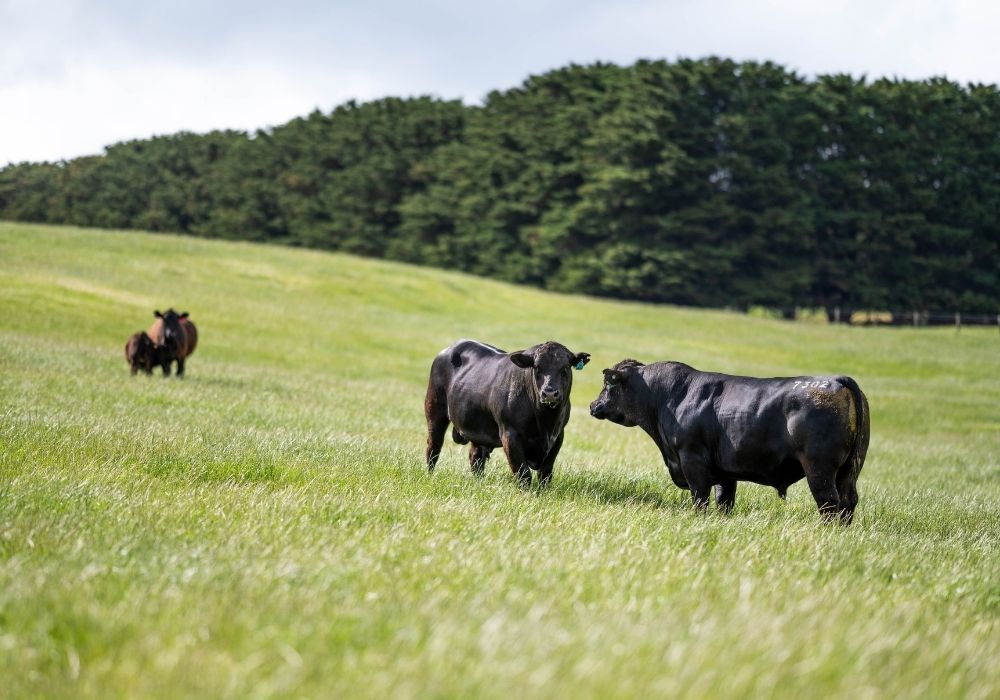
Japan tightly regulates cattle exports today, but in the 1970s–1990s a small number of animals were legally exported.
Key export movements
According to the Australian Wagyu Association (AWA):
- Around 220 Wagyu cattle were exported from Japan during this period
- These animals were primarily Japanese Black, with a mixture of Tajima, Kedaka/Tottori and Shimane bloodlines.
- They were shipped first to the United States and, through a series of structured programmes, later to Australia and other countries.
United States
In the 1970s and 1990s several shipments of fullblood and crossbred Wagyu arrived in the US. These cattle formed the backbone of today’s American Wagyu Association herds.
Australia
Australia imported Wagyu genetics from both Japan and the US between the 1990s and early 2000s. Strict quarantine protocols applied, including temporary stationing in third countries before arrival.
For buyers of breeding stock, semen or embryos, understanding Wagyu origins helps ensure better selection decisions and long-term herd performance.
Frequently Asked Questions (FAQ)
What is the origin of Wagyu cattle?
Wagyu cattle originate from Japan, where they were bred for agricultural work and later developed into premium beef cattle known for exceptional marbling.
Where do Wagyu cattle come from?
Wagyu cattle originally come from Japan. The breed developed through regional breeding programs that produced several distinct Wagyu strains.
Are Wagyu cattle only from Japan?
Wagyu cattle originated in Japan but are now bred in several countries including Australia and the United States.
How did Wagyu cattle leave Japan?
Wagyu cattle left Japan through a small number of legal exports between the 1970s and 1990s, when around 220 fullblood animals were shipped to the United States and later used to establish breeding herds in Australia and other countries.
What are the main Wagyu bloodlines used outside Japan?
Most international Wagyu herds are based on Japanese Black bloodlines, particularly Tajima for marbling, Shimane/Itozakura for growth and carcase weight, and Kedaka/Tottori for frame and maternal traits.
Why is Australia a world leader in Wagyu genetics?
Australia is a world leader in Wagyu genetics because it has one of the largest fullblood herds and the most advanced Wagyu genomic evaluation system.
The Australian Wagyu Association analyses more than 400,000 animals, providing accurate breeding values supported by commercial performance data.